
Introduction
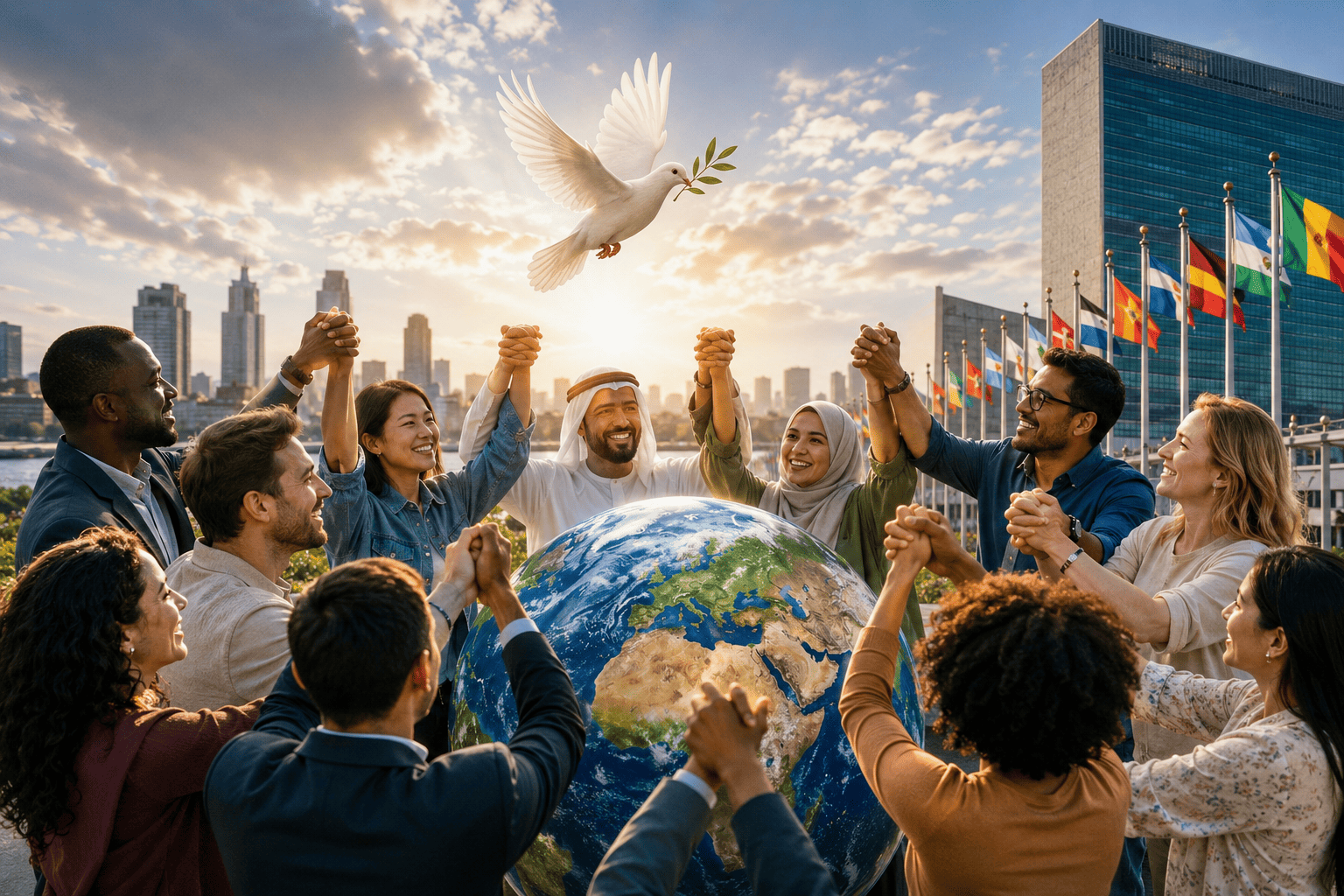
In an increasingly interconnected world, global challenges no longer recognize national borders. Climate change, armed conflicts, economic instability, public health crises, and cybersecurity threats require nations to work together rather than compete in isolation. A political vision centered on peace, international cooperation, and shared responsibility offers the strongest path toward a more stable and prosperous future.
Rather than viewing international relations as a zero-sum competition, governments can embrace policies that promote diplomacy, mutual respect, and sustainable development. The future of global prosperity depends not only on economic growth but also on the ability of countries to collaborate for the common good.
Quick Facts
| Topic | Key Insight |
|---|---|
| Global Peace | Peace promotes economic growth, human security, and social stability. |
| International Cooperation | Collaborative policies help solve cross-border challenges more effectively. |
| Diplomacy | Peaceful negotiation reduces the risk of armed conflict. |
| Sustainable Development | Shared environmental and economic initiatives benefit all nations. |
| Global Governance | International institutions provide platforms for dialogue and coordination. |
Why International Cooperation Matters
Modern societies face challenges that no single country can solve alone. Pandemics, climate emergencies, international terrorism, migration, and financial crises demonstrate the importance of coordinated global action.
Countries that cooperate through diplomatic channels often experience:
- Greater regional stability
- Expanded trade opportunities
- Improved scientific collaboration
- Better crisis management
- Stronger humanitarian responses
International partnerships encourage trust while reducing political tensions that may otherwise escalate into conflict.
The Foundations of a Peace-Oriented Political Vision
1. Strengthening Diplomacy
Diplomacy remains one of the most effective tools for preventing conflict. Open dialogue allows governments to negotiate disagreements before they become crises.
Effective diplomacy includes:
- Peace negotiations
- Conflict mediation
- Cultural exchanges
- Bilateral and multilateral agreements
Political leaders who prioritize dialogue often create long-term stability for future generations.
2. Promoting Inclusive Economic Development
Economic inequality can increase social unrest and geopolitical tensions. Policies that encourage fair trade, investment, education, and innovation create opportunities that reduce conflict drivers.
Governments should focus on:
- Supporting sustainable industries.
- Expanding access to education.
- Encouraging entrepreneurship.
- Investing in digital infrastructure.
- Creating inclusive labor markets.
Economic cooperation benefits both developed and developing nations through shared prosperity.
3. Protecting Human Rights
Respect for human rights, rule of law, and equal opportunity strengthens public trust and political stability.
Governments committed to these principles generally promote:
- Independent institutions
- Equal access to justice
- Freedom of expression
- Protection of vulnerable communities
- Transparent governance
Strong institutions contribute to peaceful societies by reducing political polarization and social conflict.
4. Addressing Climate Change Together
Environmental challenges represent one of the greatest tests of international cooperation.
Joint efforts include:
- Reducing greenhouse gas emissions
- Investing in renewable energy
- Protecting biodiversity
- Improving disaster preparedness
- Sharing green technologies
Environmental collaboration benefits every nation regardless of geographic location.
The Role of International Organizations
International organizations create structured platforms where countries can coordinate policies, resolve disputes, and provide humanitarian assistance.
Their primary contributions include:
- Facilitating diplomatic dialogue
- Supporting peacekeeping efforts
- Coordinating emergency responses
- Encouraging sustainable development
- Promoting international law
While these institutions face challenges, they remain important mechanisms for peaceful cooperation.
Comparing Cooperation and Political Isolation
| International Cooperation | Political Isolation |
|---|---|
| Encourages dialogue | Limits communication |
| Supports economic growth | Restricts opportunities |
| Builds trust among nations | Increases uncertainty |
| Improves crisis response | Weakens collective action |
| Promotes innovation through collaboration | Reduces knowledge exchange |
Key Research Findings
Recent international policy research consistently highlights several trends:
- Diplomatic engagement is generally associated with lower risks of prolonged interstate conflict.
- Economic interdependence can strengthen incentives for peaceful relations, although outcomes depend on political and institutional factors.
- International scientific cooperation accelerates innovation in areas such as healthcare, renewable energy, and technology.
- Multilateral approaches often improve coordination during global emergencies, including health and humanitarian crises.
- Investment in education and inclusive institutions contributes to long-term social resilience and political stability.
These findings suggest that cooperation alone is not a guarantee of peace, but it can provide important frameworks for reducing conflict and addressing shared challenges.
Main Reasons Why Peaceful Cooperation Matters
The strongest arguments for strengthening international cooperation include:
- Enhanced global security
- Sustainable economic growth
- More effective climate action
- Faster scientific and technological progress
- Improved humanitarian assistance
- Greater resilience during global crises
- Expanded educational and cultural exchange
- Reduced political tensions through dialogue
Challenges to Global Unity
Despite significant progress, several obstacles continue to affect international cooperation.
These include:
- Geopolitical rivalries
- Economic inequality
- Misinformation and disinformation
- Cybersecurity threats
- Competition over strategic resources
- Regional conflicts
- Domestic political polarization
Addressing these issues requires sustained political commitment, transparency, and mutual trust.
Building a Shared Future
A forward-looking political vision recognizes that lasting peace depends on more than the absence of war. It requires investment in education, innovation, good governance, economic opportunity, and constructive diplomacy.
Governments, businesses, academic institutions, civil society organizations, and citizens all have important roles in fostering international cooperation. By encouraging dialogue, respecting international norms, and pursuing practical partnerships, societies can better respond to common challenges while preserving their diversity and sovereignty.
Conclusion
The world unites us not because nations are identical, but because they face many shared opportunities and challenges. A political vision that emphasizes peace, international cooperation, diplomacy, human rights, and sustainable development provides a constructive framework for building a safer and more prosperous future.
Although disagreements among countries will continue to exist, dialogue, evidence-based policymaking, and collaborative problem-solving remain among the most effective ways to reduce conflict and promote long-term global stability. By working together, nations can transform common challenges into opportunities for shared progress, resilience, and lasting peace.

Leave a Reply