 Bbihi L.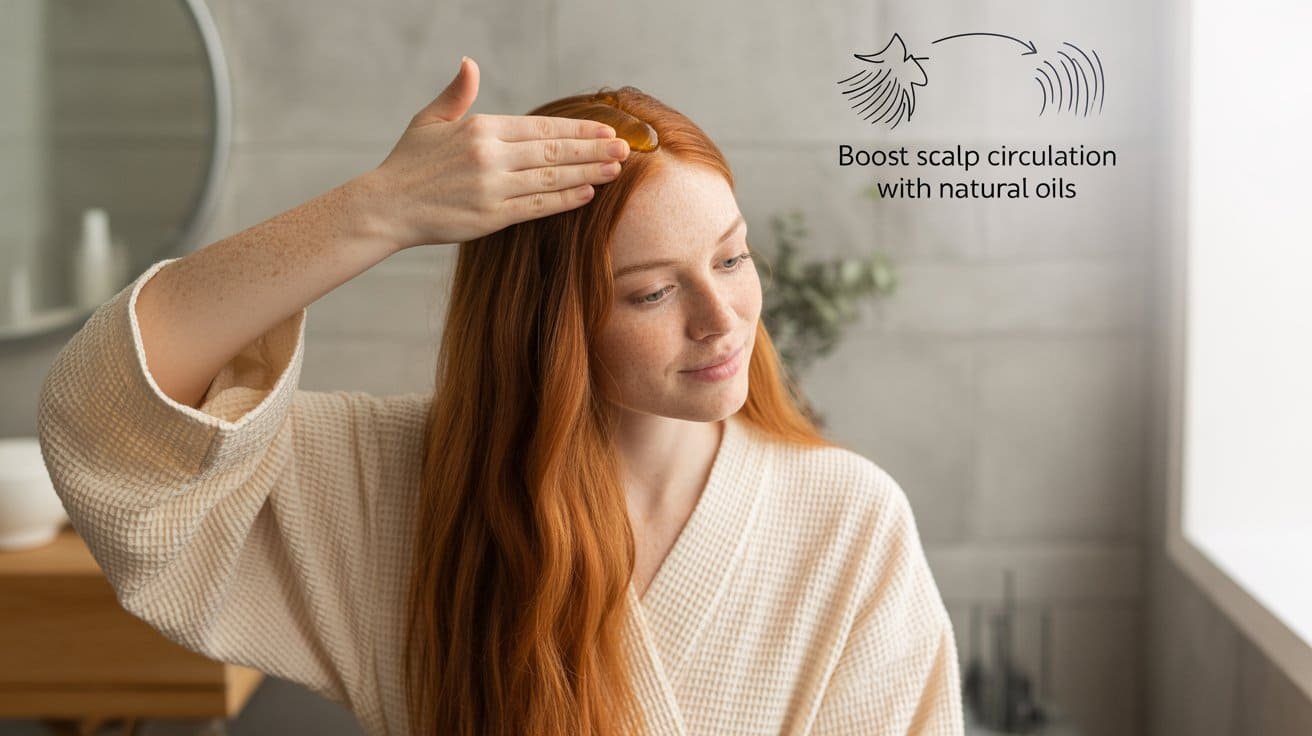
Introduction
Hair plays a vital role in our appearance and self-confidence. With increasing exposure to environmental pollutants, chemical products, and poor dietary habits, hair problems such as hair loss, dryness, and breakage have become widespread. However, relying solely on chemical treatments can worsen the situation. Instead, natural and biological hair care methods offer safe, effective, and sustainable alternatives. This article explores biological and natural remedies for hair issues, supported by the latest medical research and expert recommendations.
The Importance of Natural Hair Care
Using natural and biological recipes for hair treatment is not just a trend—it’s a scientifically backed practice. These methods emphasize plant-based ingredients, essential oils, and nutritional improvements to restore and maintain healthy hair. Daily hair care with natural oils, herbal masks, and scalp massages can significantly reduce damage and enhance shine and thickness.
Key Points :
- Natural and biological recipes can effectively treat common hair problems.
- Regular scalp care improves blood circulation and hair growth.
- Nutritional balance plays a critical role in hair health.
- Essential oils and herbs offer therapeutic benefits without harmful chemicals.
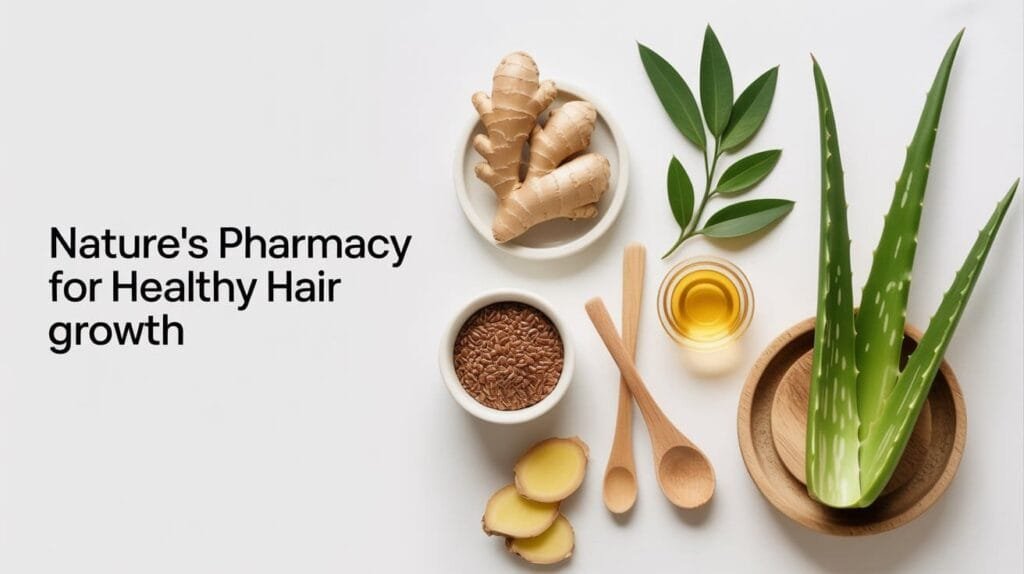
Common Hair Problems and Their Causes
Hair problems are caused by a variety of genetic, environmental, and nutritional factors. Understanding these can help in targeting the right treatment.
| Hair Problem | Potential Cause | Recommended Natural Solution |
|---|---|---|
| Hair loss | Genetics, nutrient deficiency | Scalp massage with coconut oil, biotin-rich foods |
| Dry hair | UV exposure, dehydration | Use of argan oil, increase water intake |
| Split ends | Excessive heat styling | Regular trimming, olive oil treatments |
| Scalp irritation | Pollution, chemical shampoos | Herbal shampoos with tea tree or lavender |
Latest Studies :
A 2022 review published in the Journal of Dermatology confirmed that nutritional deficiencies in iron, zinc, and biotin are strongly linked to hair loss and breakage. Source: PubMed
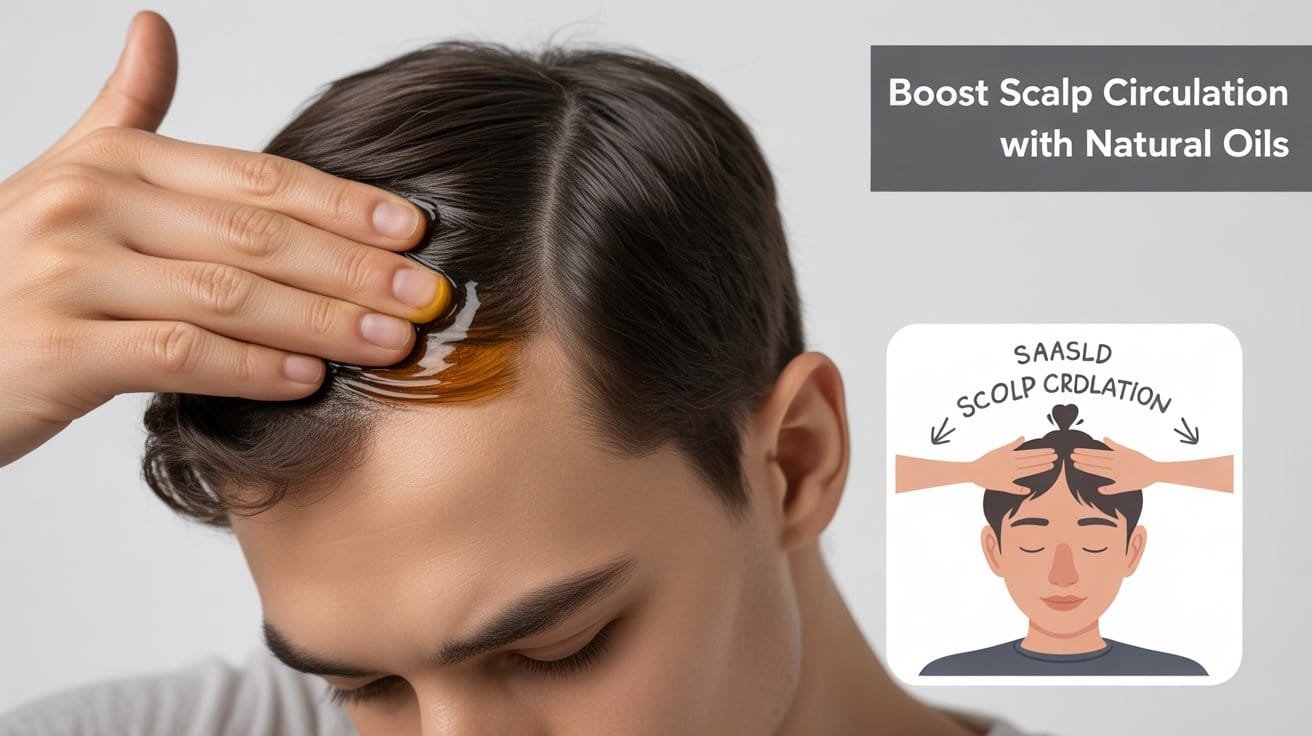
Genetics and Hair Health
Genetic factors largely determine hair type, density, and growth rate. Conditions like androgenetic alopecia are inherited and can cause progressive hair thinning. While genetics cannot be changed, natural methods can help slow down hair loss and strengthen existing strands.
Environmental Effects on Hair
Exposure to pollution, UV radiation, and harsh weather conditions can weaken the hair shaft and irritate the scalp. Natural protective oils and head coverings can reduce this damage.
Recommended :
- Use of antioxidant-rich oils like argan and green tea extract to neutralize free radicals.
- Avoid excessive exposure to direct sunlight.
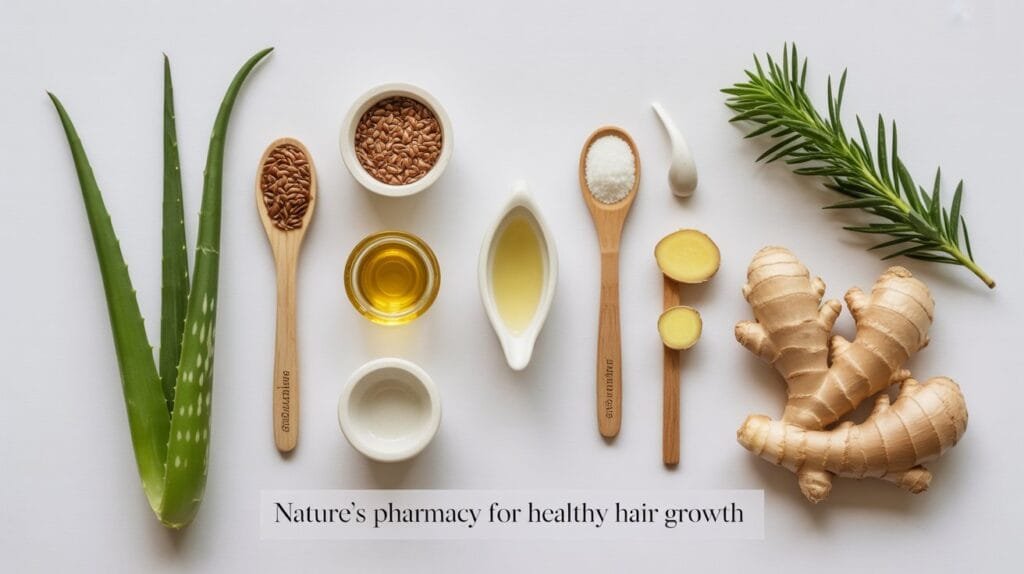
The Role of Diet in Hair Health
Diet is a fundamental pillar of hair health. A lack of essential nutrients like vitamin D, biotin, omega-3 fatty acids, and protein can lead to hair thinning and breakage.
Nutrients Vital for Hair :
- Protein – for structure and strength.
- Vitamin E – for antioxidant protection.
- Zinc and Iron – to prevent hair shedding.
- Omega-3 fatty acids – to nourish hair follicles.
According to the American Academy of Dermatology, a diet rich in these nutrients helps improve both scalp condition and hair thickness. Source: AAD
Effective Natural and Biological Hair Treatments
Top Natural Oils :
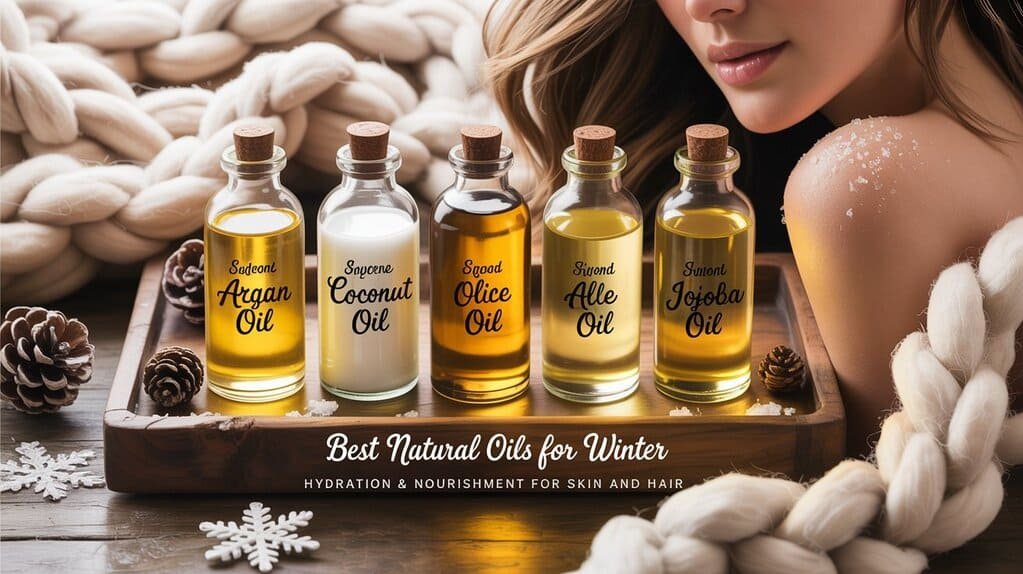
- Coconut Oil : Rich in lauric acid; penetrates the hair shaft and reduces protein loss.
- Argan Oil : Contains vitamin E and fatty acids that promote softness and shine.
- Olive Oil : Moisturizes and strengthens hair strands.
Recipe Example :
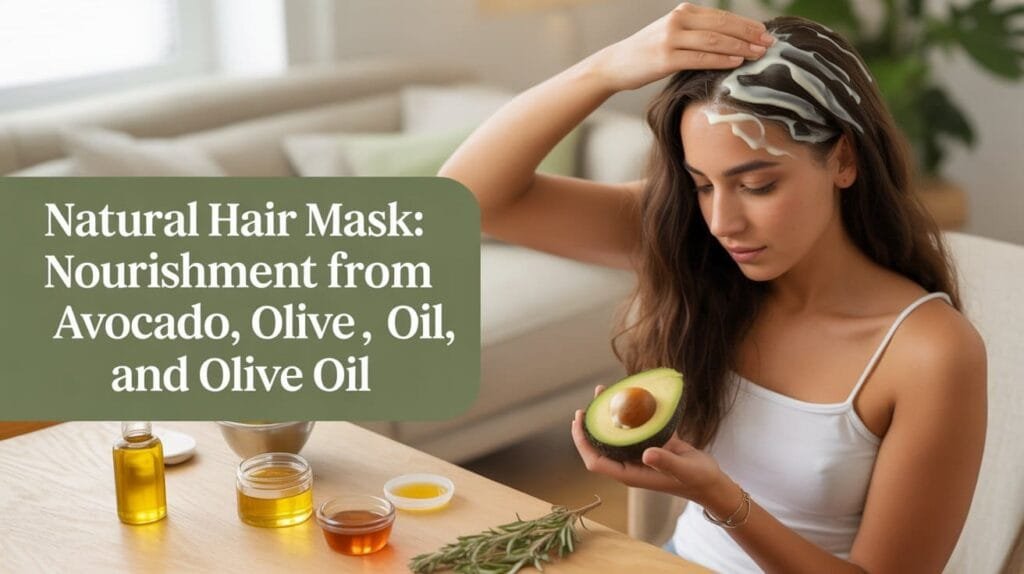
Olive Oil Mask
- 2 tbsp extra virgin olive oil
- 1 tbsp honey
- Mix and apply to scalp for 30 minutes before washing.
Herbal Treatments :
- Green Tea : Contains polyphenols that boost hair growth.
- Lavender : Soothes the scalp and stimulates follicles.
- Thyme : Increases blood flow to the scalp, promoting growth.
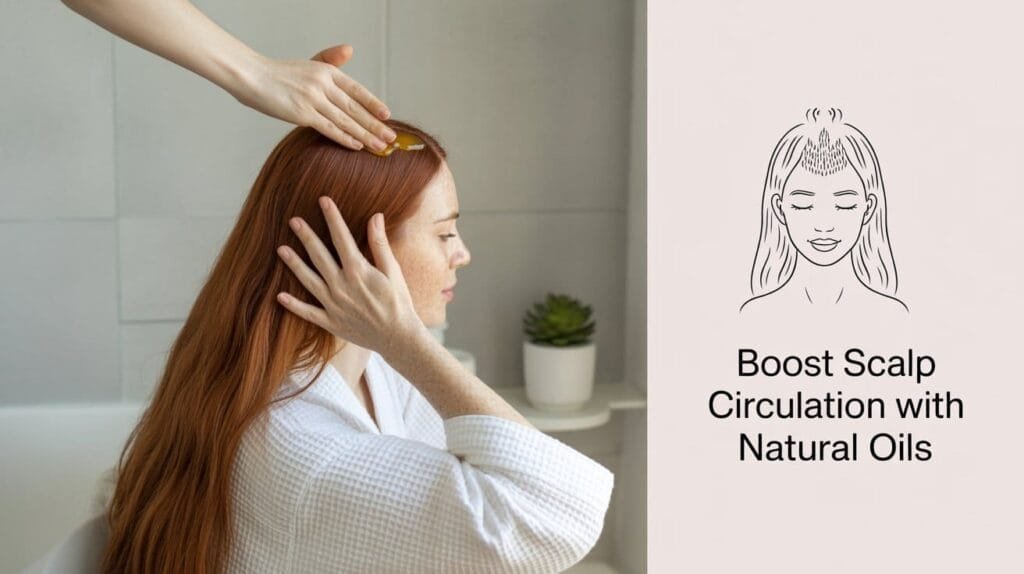
Biological Scalp Care Techniques
Scalp Massage :
- Stimulates blood flow and encourages the delivery of nutrients to hair follicles.
- Best practiced with warm oils like jojoba or coconut oil.
Biological Products :
- Formulated with plant-derived compounds such as aloe vera, chamomile, and nettle.
- Free of parabens, sulfates, and synthetic fragrances.
Daily Natural Hair Care Routine
| Step | Product/Action | Purpose |
|---|---|---|
| Cleanse | Natural shampoo with tea tree/lavender | Remove buildup and refresh scalp |
| Nourish | Apply oil or leave-in conditioner | Hydrate and strengthen strands |
| Stimulate | Scalp massage with fingertips | Promote blood flow and growth |
| Protect | Avoid heat tools, use protective styles | Reduce breakage and moisture loss |
Conclusion
Adopting a natural and biological hair care routine can transform your hair health without the side effects of chemical products. From essential oils to herbal treatments and scalp massage techniques, these approaches are grounded in both tradition and science.
Maintaining a healthy scalp and incorporating nutrient-rich foods, herbal remedies, and daily care practices will help you achieve stronger, shinier, and healthier hair. It’s time to embrace nature for a sustainable beauty routine.
FAQs
❓ What are the most effective natural remedies for hair problems?
Coconut oil, argan oil, and olive oil are among the top choices. Herbs like henna, cinnamon, and saffron also promote hair health.
❓ What environmental and natural factors affect hair health?
Genetics, sun exposure, pollution, and poor nutrition all play roles in hair condition.
❓ Which herbs support strong and healthy hair?
Henna, thyme, green tea, lavender, and saffron are excellent options for strengthening hair and soothing the scalp.
❓ What is the best biological routine for scalp care?
A daily routine that includes gentle cleansing, oil massage, and herbal masks ensures healthy hair growth and reduced hair loss.
References
- American Academy of Dermatology: www.aad.org
- PubMed Journal on Hair Loss & Nutrients: www.ncbi.nlm.nih.gov
- Wikipedia – Hair Care: en.wikipedia.org/wiki/Hair_care
- Journal of Clinical and Aesthetic Dermatology (2023): “Natural Ingredients for Hair Loss Therapy”