 Bbihi L.
Introduction
Hair loss is a common concern affecting millions worldwide, impacting individuals’ self-esteem and confidence. Understanding the underlying causes of hair issues is crucial for effective management and treatment. This comprehensive guide delves into the various factors contributing to hair problems, explores both medical and natural treatment options, and provides evidence-based solutions to promote healthy hair growth.
Common Hair Problems and Their Causes
1. Excessive Hair Loss (Alopecia)
Excessive hair loss, or alopecia, can result from several factors:
- Hormonal Changes: Conditions like pregnancy, childbirth, and menopause can lead to hormonal imbalances affecting hair growth.
- Genetics: Androgenetic alopecia, commonly known as male or female pattern baldness, is hereditary and leads to gradual hair thinning.
- Nutritional Deficiencies: Lack of essential nutrients such as iron, zinc, and vitamins can impair hair health.
- Stress: Physical or emotional stress can trigger telogen effluvium, a condition where hair prematurely enters the shedding phase.
- Medical Conditions: Diseases like thyroid disorders and autoimmune diseases can contribute to hair loss.
2. Oily Hair
Excess sebum production by sebaceous glands can lead to oily hair, causing:
- Greasy Appearance: Hair appears limp and shiny due to excess oil.
- Scalp Issues: Increased oil can clog hair follicles, leading to dandruff or scalp acne.
3. Dry and Brittle Hair
Hair becomes dry and brittle due to:
- Environmental Factors: Exposure to sun, wind, and pollution can strip moisture from hair.
- Chemical Treatments: Frequent use of hair dyes, straighteners, and perms can damage hair cuticles.
- Improper Hair Care: Over-washing or using harsh shampoos can dehydrate hair.
4. Genetic Baldness
Also known as androgenetic alopecia, this condition is characterized by:
- Gradual Thinning: Hairline recedes, and crown area becomes thinner over time.
- Age of Onset: Typically begins in late teens to early 20s.
- Progression: Can lead to complete baldness if untreated.

Medical Treatments for Hair Loss
Several medical treatments have been developed to address hair loss:
1. Minoxidil
An over-the-counter topical treatment that stimulates hair follicles, promoting hair regrowth. Studies have shown its effectiveness in treating androgenetic alopecia. Harvard Health
2. Finasteride
An oral medication that inhibits the conversion of testosterone to dihydrotestosterone (DHT), a hormone linked to hair loss. It is primarily used in men.
3. Platelet-Rich Plasma (PRP) Therapy
Involves drawing a small amount of blood, processing it to concentrate platelets, and injecting it into the scalp to stimulate hair growth. Clinical studies have reported positive outcomes. Cleveland Clinic
4. Hair Transplant Surgery
A surgical procedure where hair follicles are moved from a dense area to a thinning or bald area. It offers a permanent solution for hair loss.
Natural Solutions for Hair Health
Incorporating natural remedies can complement medical treatments and promote overall hair health:
1. Dietary Adjustments
- Protein-Rich Foods : Hair is composed of keratin, a protein; thus, adequate protein intake is essential.
- Iron and Zinc : Deficiencies in these minerals can lead to hair thinning.
- Vitamins : Vitamins A, C, D, and E play roles in hair follicle health.
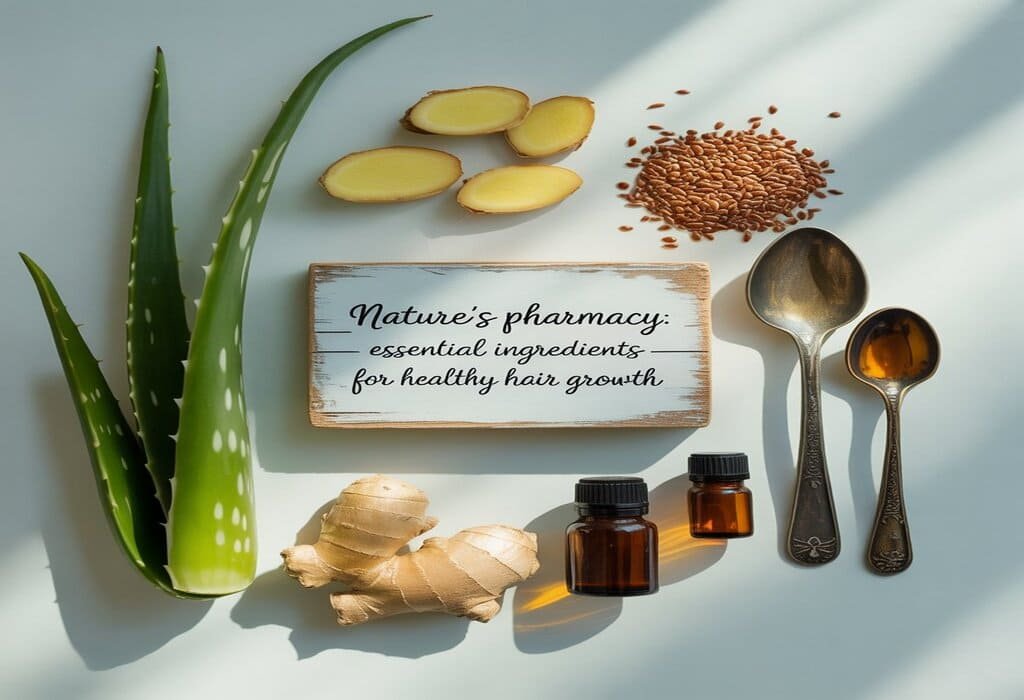
2. Herbal Remedies
- Rosemary Oil : Known for its anti-inflammatory properties, it may promote hair growth. PMC
- Ginseng : Stimulates the anagen phase of hair growth. Verywell Health
- Aloe Vera : Soothes the scalp and conditions hair.
3. Scalp Care
- Regular Massages : Improves circulation to hair follicles.
- Coconut Oil : Penetrates hair shafts, reducing protein loss. Verywell Health
- Avoid Harsh Chemicals : Limit the use of strong shampoos and styling products.
4. Lifestyle Modifications
- Stress Management : Engage in relaxation techniques like meditation and yoga.
- Adequate Sleep : Ensures proper hormonal balance.
- Regular Exercise : Enhances blood circulation, benefiting hair follicles.

Preventive Measures for Hair Health
Adopting preventive strategies can mitigate hair problems:
- Gentle Hair Handling : Avoid tight hairstyles and minimize heat styling.
- Protective Measures : Use hats or scarves to shield hair from sun and pollutants.
- Regular Trims : Prevents split ends and maintains hair health.
- Hydration : Drink plenty of water to keep hair hydrated.
Conclusion
Understanding the multifaceted causes of hair problems is the first step towards effective treatment and prevention. A combination of medical interventions, natural remedies, and lifestyle adjustments can significantly improve hair health. It’s essential to approach hair care holistically, considering internal and external factors influencing hair growth. Consulting with healthcare professionals can provide personalized strategies to address individual hair concerns.