
 Bbihi L.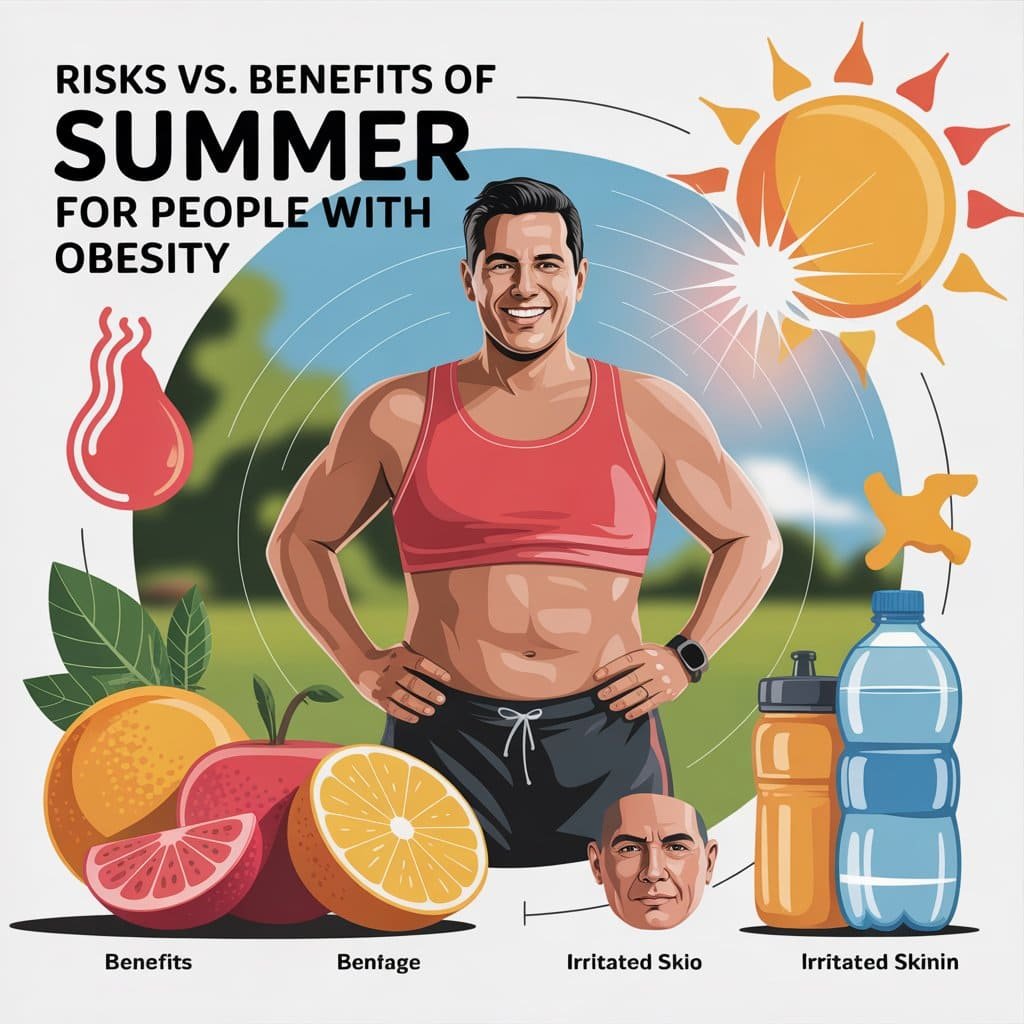
Introduction
Obesity, a complex medical condition characterized by excessive body fat, affects over 1 billion people globally, according to the World Health Organization (WHO). While obesity can impact health at any time of the year, summer introduces a unique set of advantages and disadvantages for individuals struggling with weight issues.
The hot season may provide an opportunity for increased physical activity, access to healthy foods, and improved metabolic function, yet it also presents health risks such as heat exhaustion, dehydration, and limited mobility in high temperatures. This article delves into the positive and negative effects of summer on obese individuals, incorporating the latest scientific findings and expert medical opinions.
Body
1. Understanding Obesity
Obesity is defined as a Body Mass Index (BMI) of 30 or higher. It significantly increases the risk of cardiovascular disease, type 2 diabetes, sleep apnea, certain cancers, and musculoskeletal disorders.
- Causes: Poor diet, sedentary lifestyle, genetic predisposition, hormonal imbalances, stress, and certain medications.
- Global Impact: As of 2024, the WHO reports that more than 650 million adults are obese, and childhood obesity is on the rise globally.
🔍 Source: World Health Organization – Obesity
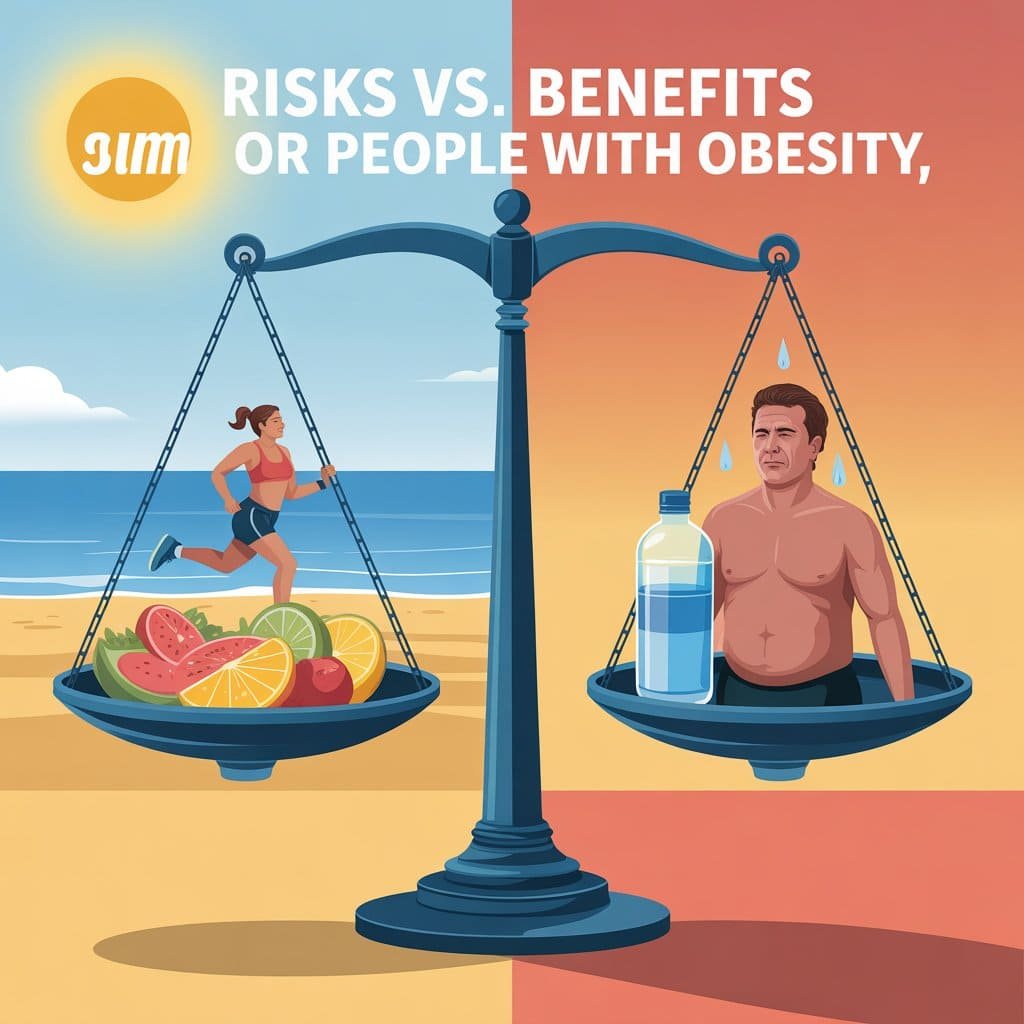
2. Summer as a Motivational Season : The Positives
Despite the discomfort, summer offers several health benefits for obese individuals:
A. Increased Outdoor Activity
Longer daylight hours and warmer temperatures often encourage:
- Walking, jogging, swimming, cycling, and outdoor sports.
- Participation in community fitness programs and group workouts.
According to a 2023 study in the Journal of Obesity and Physical Activity, physical activity levels increase by 21% in summer months, especially among people who are overweight.
📊 Chart 1: Increase in Average Daily Steps by Season
| Season | Average Steps/Day |
|---|---|
| Winter | 4,300 |
| Spring | 5,800 |
| Summer | 6,700 |
| Fall | 5,400 |
Source: Journal of Obesity and Physical Activity, 2023
B. Access to Fresh, Healthy Foods
Summer brings:
- Abundance of fruits and vegetables like watermelon, berries, cucumbers, and leafy greens.
- Seasonal farmer’s markets and fresh local produce.
These foods are low in calories and high in fiber and water content, promoting satiety and hydration.
🥗 A 2024 study in Nutrients journal concluded that seasonal diets in summer result in better weight control among obese individuals.
C. Boosted Vitamin D Levels
Sunlight exposure enhances the production of Vitamin D, which is often deficient in obese individuals. A lack of vitamin D has been linked to:
- Increased fat storage
- Insulin resistance
- Depressed mood, which can affect motivation
☀️ A 2022 meta-analysis in The Lancet Diabetes & Endocrinology found that adequate Vitamin D helps improve insulin sensitivity and may assist in weight regulation.
3. The Downsides of Summer for Obese Individuals
While summer may seem helpful, it also brings health risks and practical challenges for individuals living with obesity.
Obese individuals are more prone to:
- Overheating, due to a lower surface area-to-weight ratio
- Reduced sweating efficiency
- Heat exhaustion and heat stroke
🔬 According to Mayo Clinic, excess fat acts as an insulator, trapping heat within the body and preventing effective temperature regulation.
⚠️ A 2023 study in Environmental Health Perspectives found that obese adults are 2.5 times more likely to suffer from heat-related illness during heatwaves.
B. Joint Pain and Mobility Challenges
High temperatures and humidity can worsen inflammation, especially in individuals with:
- Osteoarthritis
- Plantar fasciitis
- Back and knee pain
Obesity exacerbates these issues by increasing joint load, making it harder to exercise outdoors comfortably during the summer.
C. Skin Issues and Hygiene Concerns
Obese individuals may be more susceptible to:
- Excessive sweating (hyperhidrosis)
- Skin chafing and rashes in folds (intertrigo)
- Fungal infections in moist areas
🧴 Dermatologists recommend breathable clothing, talcum powders, and skin protectants during hot months.
A. Body Image and Summer Anxiety
Summer often leads to increased body exposure due to seasonal clothing. This can trigger:
- Social anxiety
- Depression
- Avoidance of public spaces like beaches or pools
📘 A study from Psychology & Health journal (2022) found that 70% of obese adults feel increased anxiety and social pressure during summer months.
B. Stigma and Public Shaming
Weight-related stigma is often more visible in warm seasons, especially with media focus on “summer bodies”.
This leads to:
- Decreased self-esteem
- Reduced participation in social or fitness activities
5. Safety Tips and Strategies for Managing Obesity in Summer
✅ Stay Hydrated
- Drink 2–3 liters of water daily
- Avoid sugary drinks and alcohol
✅ Exercise Early or Late
- Schedule workouts before 9 AM or after 6 PM
- Choose shaded routes or indoor facilities
✅ Wear Lightweight Clothing
- Prefer cotton and moisture-wicking fabrics
✅ Plan Meals with Seasonal Produce
- Include low-calorie, high-water content foods like zucchini, cantaloupe, and lettuce
✅ Use Sunscreen and Skin Protection
- Prevent burns and rashes, which may be more severe in overweight individuals
✅ Monitor Heart Rate and Breathing
- Watch for shortness of breath, dizziness, or rapid heartbeat, especially during outdoor exertion
Conclusion
The relationship between obesity and summer is multifaceted. While the season offers numerous opportunities for healthy living, such as outdoor exercise and fresh diets, it also introduces serious risks, particularly related to heat stress, skin issues, and emotional health.
Managing obesity in summer requires proactive strategies, including hydration, appropriate exercise planning, protective clothing, and psychological support. Public health programs and healthcare professionals should promote inclusive, seasonal health guidance for obese individuals to help them thrive, not just survive, in the summer months.
Key Points
- Obesity increases health risks and is worsened by summer heat if not managed carefully.
- Summer benefits include more physical activity, fresh foods, and vitamin D exposure.
- Risks involve heat intolerance, joint pain, skin problems, and mental health issues.
- Safety strategies include hydration, proper clothing, early exercise, and emotional support.
- Recent studies show both biological and psychological effects of summer on obese individuals.
References
- World Health Organization (2024): Obesity and Overweight – https://www.who.int
- Journal of Obesity and Physical Activity (2023): “Seasonal Changes in Physical Activity Patterns”
- The Lancet Diabetes & Endocrinology (2022): “Vitamin D and Insulin Resistance in Obesity”
- Environmental Health Perspectives (2023): “Obesity and Heat-Related Illness Risk”
- Mayo Clinic: Heat Intolerance and Obesity – https://www.mayoclinic.org
- Nutrients (2024): “Seasonal Diet and Weight Management in Obese Adults”
- Psychology & Health (2022): “Body Image and Social Anxiety in Obesity”
- Wikipedia: Obesity Overview – https://en.wikipedia.org/wiki/Obesity